

As a supplier of Auto Slitting Machines, I am often asked about the various components and their functions within these machines. One such crucial component is the tension - sensing device. In this blog, I will delve into the functions of the tension - sensing device in an Auto Slitting Machine and explain why it is an indispensable part of the system.
Understanding the Basics of an Auto Slitting Machine
Before we explore the role of the tension - sensing device, let's briefly understand what an Auto Slitting Machine does. An Auto Slitting Machine is designed to cut large rolls of material, such as paper, plastic film, or metal foil, into narrower rolls. This process is essential in many industries, including packaging, printing, and manufacturing. For instance, in the packaging industry, large rolls of BOPP (Biaxially Oriented Polypropylene) film need to be slit into smaller, more manageable widths for use in making film or wrapping products. You can learn more about our Fully Automatic BOPP film Slitting Machine and BOPP Cutting Machine on our website.
The Role of Tension in the Slitting Process
Tension plays a vital role in the slitting process. If the tension is too high, the material may break or stretch, leading to uneven cuts and poor quality products. On the other hand, if the tension is too low, the material may wrinkle or bunch up, causing jams in the machine and also resulting in sub - standard output. Maintaining the right tension throughout the slitting process is crucial for achieving high - quality, consistent cuts.
Functions of the Tension - Sensing Device
1. Tension Measurement
The primary function of the tension - sensing device is to measure the tension of the material being slit. It uses various technologies, such as load cells or strain gauges, to detect the force exerted on the material. Load cells are sensors that convert force into an electrical signal. As the material passes over the load cell, the force applied by the material causes a deformation in the load cell, which is then translated into an electrical signal proportional to the tension. This real - time measurement allows the machine to monitor the tension continuously and make adjustments as needed.
2. Feedback for Tension Control
Once the tension - sensing device measures the tension, it provides feedback to the machine's control system. The control system can then adjust the speed of the motors, the pressure of the rollers, or other parameters to maintain the desired tension. For example, if the tension is too high, the control system may slow down the unwinding speed of the large roll to reduce the pulling force on the material. Conversely, if the tension is too low, it may increase the speed or apply more pressure to the rollers to tighten the material. This closed - loop feedback system ensures that the tension remains stable throughout the slitting process.
3. Ensuring Material Quality
By maintaining the correct tension, the tension - sensing device helps to ensure the quality of the slit material. Consistent tension results in straight, clean cuts without any tears or wrinkles. This is especially important for materials that require high precision, such as thin plastic films or specialty papers. In industries where product appearance and performance are critical, such as the production of high - end packaging or electronic components, the quality of the slit material can directly impact the final product's success.
4. Preventing Machine Damage
Proper tension control also helps to prevent damage to the Auto Slitting Machine itself. Excessive tension can put stress on the cutting blades, rollers, and other mechanical components, leading to premature wear and tear. Over time, this can cause the machine to malfunction or require costly repairs. By using a tension - sensing device to maintain optimal tension, the machine can operate more smoothly and have a longer service life.
5. Adaptability to Different Materials
Different materials have different mechanical properties, such as elasticity, thickness, and strength. The tension - sensing device allows the Auto Slitting Machine to adapt to these variations. It can be calibrated to measure and control the tension according to the specific requirements of each material. For example, a thin and delicate plastic film may require a lower tension compared to a thick and sturdy paper. The ability to adjust the tension based on the material type makes the machine more versatile and suitable for a wide range of applications.
Real - World Applications
In the real world, the tension - sensing device in an Auto Slitting Machine is used in various industries. In the packaging industry, as mentioned earlier, it ensures that BOPP films are slit accurately and without defects. In the printing industry, it helps to slit large rolls of paper into smaller sheets for magazines, brochures, and other printed materials. In the electronics industry, it is used to slit thin metal foils or plastic films for use in circuit boards and other electronic components. Our Automatic Slitting Machine with advanced tension - sensing technology is well - suited for these diverse applications.
Conclusion
In conclusion, the tension - sensing device is a critical component of an Auto Slitting Machine. Its functions of tension measurement, feedback for control, ensuring material quality, preventing machine damage, and adaptability to different materials make it essential for achieving high - quality, efficient slitting operations. If you are in the market for an Auto Slitting Machine or need to upgrade your existing equipment, consider the importance of a reliable tension - sensing device.

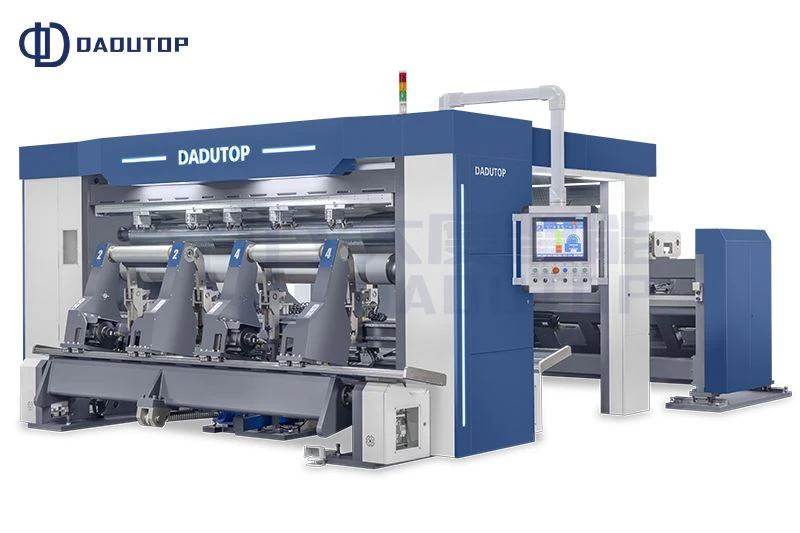
We are a leading supplier of Auto Slitting Machines, and our machines are equipped with state - of - the - art tension - sensing technology. If you are interested in learning more about our products or have specific requirements for your slitting needs, we invite you to contact us for a detailed discussion and a personalized solution.
References
- "Slitting Technology Handbook" by George Schuler
- "Industrial Automation and Control Systems" by John Doe
- Technical documentation from leading manufacturers of tension - sensing devices