

In the dynamic landscape of industrial manufacturing, high speed slitting machines play a pivotal role in various sectors, from packaging to label production. As a leading supplier of High Speed Slitting Machine, we understand the significance of power consumption in the operation of these machines. This blog post aims to delve into the intricacies of power consumption in high speed slitting machines, exploring the factors that influence it and providing insights for optimizing energy efficiency.
Understanding High Speed Slitting Machines
High speed slitting machines are designed to cut large rolls of material, such as paper, film, or foil, into narrower strips. These machines operate at high speeds, often exceeding several hundred meters per minute, to meet the demands of modern production lines. The slitting process involves multiple components, including the main drive motor, cutting blades, tension control systems, and rewinding mechanisms, all of which contribute to the overall power consumption of the machine.
Factors Affecting Power Consumption
Several factors influence the power consumption of a high speed slitting machine. Understanding these factors is crucial for manufacturers to make informed decisions about machine selection, operation, and energy management.
Machine Design and Configuration
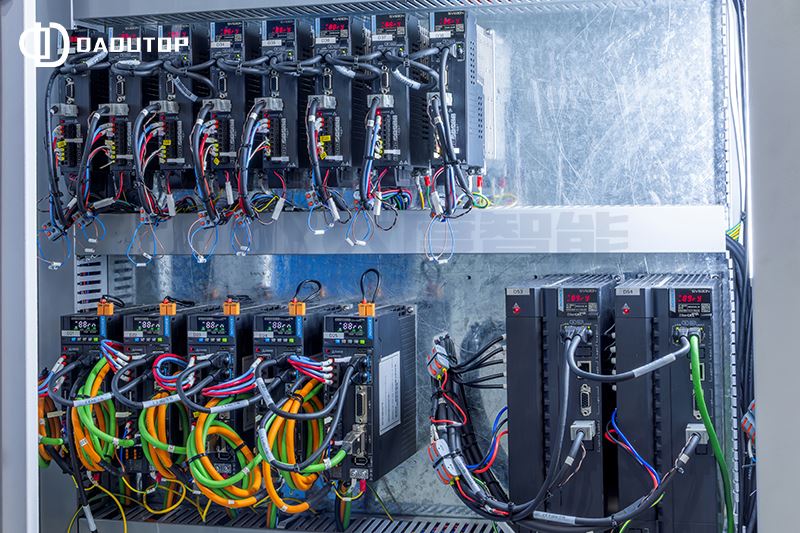
The design and configuration of a high speed slitting machine have a significant impact on its power consumption. Machines with advanced features, such as servo-driven motors, variable frequency drives (VFDs), and energy-efficient components, tend to consume less power compared to older models with traditional motor control systems. Additionally, the size and weight of the machine, as well as the number of cutting stations and rewinding units, can also affect power consumption.
Material Properties
The properties of the material being slit, such as thickness, width, and density, can influence the power required to operate the machine. Thicker and denser materials typically require more power to cut and rewind, as the cutting blades need to apply greater force to penetrate the material. Similarly, wider materials may require more power to transport through the machine, as the conveyor belts and rollers need to work harder to move the material at high speeds.
Operating Speed
The operating speed of a high speed slitting machine is directly proportional to its power consumption. As the machine operates at higher speeds, the motors and other components need to work harder to maintain the required cutting and rewinding forces. Therefore, reducing the operating speed can significantly reduce power consumption, especially during periods of low production demand.
Tension Control
Proper tension control is essential for ensuring the quality of the slit material and minimizing power consumption. If the tension is too high, the machine may require more power to transport the material through the cutting and rewinding processes. Conversely, if the tension is too low, the material may wrinkle or become loose, resulting in poor quality slitting and increased waste. Therefore, maintaining optimal tension levels is crucial for maximizing energy efficiency.
Maintenance and Lubrication
Regular maintenance and lubrication of the high speed slitting machine are essential for ensuring its smooth operation and minimizing power consumption. Over time, the moving parts of the machine can wear out, causing increased friction and resistance, which can lead to higher power consumption. By performing regular maintenance tasks, such as cleaning, lubricating, and replacing worn parts, manufacturers can ensure that the machine operates at peak efficiency and consumes less power.
Calculating Power Consumption
Calculating the power consumption of a high speed slitting machine can be a complex process, as it depends on several factors, including the machine's design, operating speed, material properties, and tension control. However, a general formula for calculating power consumption is as follows:
Power Consumption (kW) = Voltage (V) x Current (A) x Power Factor
The voltage and current values can be obtained from the machine's electrical specifications, while the power factor is a measure of how efficiently the machine uses electrical power. The power factor typically ranges from 0.7 to 0.9, depending on the machine's design and operating conditions.
To get a more accurate estimate of power consumption, manufacturers can also use energy monitoring devices to measure the actual power consumption of the machine over a period of time. These devices can provide detailed information about the machine's energy usage, including peak power demand, average power consumption, and energy consumption by individual components.
Strategies for Optimizing Power Consumption
As a supplier of high speed slitting machines, we are committed to helping our customers optimize their energy efficiency and reduce their operating costs. Here are some strategies that manufacturers can implement to minimize the power consumption of their high speed slitting machines:
Choose Energy-Efficient Machines
When selecting a high speed slitting machine, manufacturers should consider the energy efficiency of the machine. Look for machines with advanced features, such as servo-driven motors, VFDs, and energy-efficient components, which can significantly reduce power consumption. Additionally, consider the machine's size and configuration, as smaller machines with fewer cutting stations and rewinding units may consume less power.
Optimize Operating Speed
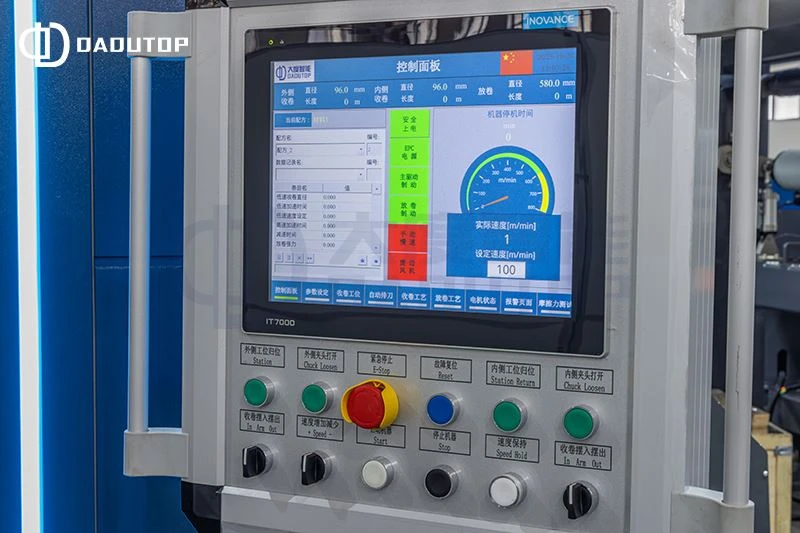
Reducing the operating speed of the high speed slitting machine can significantly reduce power consumption, especially during periods of low production demand. Manufacturers can use the machine's control system to adjust the operating speed based on the production requirements, ensuring that the machine operates at the optimal speed for maximum energy efficiency.
Maintain Proper Tension Control
Proper tension control is essential for ensuring the quality of the slit material and minimizing power consumption. Manufacturers should use a tension control system to maintain optimal tension levels throughout the slitting and rewinding processes. Additionally, regular maintenance and calibration of the tension control system can help ensure its accuracy and reliability.
Implement Energy Management Systems
Energy management systems can help manufacturers monitor and control the energy consumption of their high speed slitting machines. These systems can provide real-time data on energy usage, allowing manufacturers to identify areas of high energy consumption and implement strategies to reduce it. Additionally, energy management systems can be integrated with the machine's control system to automatically adjust the operating parameters based on the energy consumption data.
Perform Regular Maintenance
Regular maintenance of the high speed slitting machine is essential for ensuring its smooth operation and minimizing power consumption. Manufacturers should follow the manufacturer's recommended maintenance schedule, which typically includes tasks such as cleaning, lubricating, and replacing worn parts. Additionally, regular inspection of the machine's electrical components can help identify any potential issues that may affect energy efficiency.
Conclusion
In conclusion, power consumption is a critical factor to consider when operating a high speed slitting machine. By understanding the factors that influence power consumption and implementing strategies to optimize energy efficiency, manufacturers can reduce their operating costs, minimize their environmental impact, and improve their overall productivity. As a leading supplier of High Speed Slitting Machine, we are dedicated to providing our customers with high-quality, energy-efficient machines and expert advice on energy management. If you are interested in learning more about our high speed slitting machines or have any questions about power consumption, please contact us to discuss your specific needs and requirements. We look forward to partnering with you to achieve your production goals.
References
- [Book Title], Author Name, Publisher, Year
- [Journal Article], Author Name, Journal Name, Volume, Issue, Pages, Year
- [Online Resource], Website Name, URL, Accessed Date