

In the modern film processing industry, film slitters play a crucial role. These machines are designed to cut large - width films into narrower rolls, meeting diverse industrial requirements. As a leading film slitter supplier, I have witnessed firsthand the evolution of film slitter technology and the significant software features that have emerged in modern models.
1. Precision and Automation
One of the most remarkable software features of modern film slitters is the high - level precision control. Software algorithms are employed to ensure accurate cutting widths. Advanced sensors work in conjunction with the software to measure the film's width, thickness, and tension in real - time. The software then adjusts the slitting parameters accordingly. For example, if the film tension fluctuates slightly, the software can instantly adjust the speed of the winding rollers to maintain a consistent tension, which is essential for achieving uniform slitting results.
Automation is another key aspect enabled by software. Modern film slitters can be programmed to run a series of pre - defined slitting operations. Operators can input the specifications such as the number of rolls, their widths, and winding lengths into the control software. The machine will then execute the tasks automatically, reducing the need for manual intervention. This not only improves efficiency but also minimizes the risk of human errors. For instance, in a large - scale production environment, the software - controlled automation can ensure that hundreds of film rolls are slit and wound to the exact same specifications, maintaining product quality across the entire batch.
2. Recipe Management
The software in modern film slitters allows for efficient recipe management. Recipes are essentially sets of slitting parameters that are saved for specific film types or customer orders. Once a particular slitting process is optimized, the operator can save the settings as a recipe. In the future, when the same type of film needs to be slit, the operator can simply load the corresponding recipe from the software's database. This feature significantly reduces setup time and ensures consistency in production.
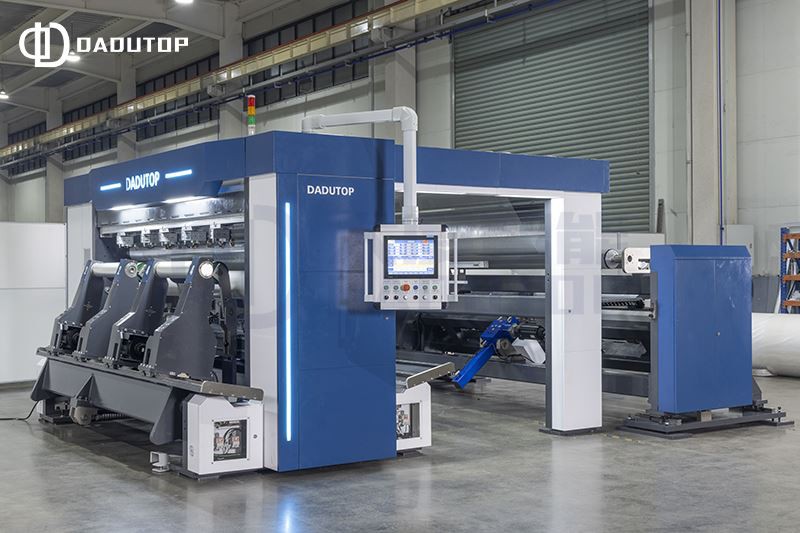
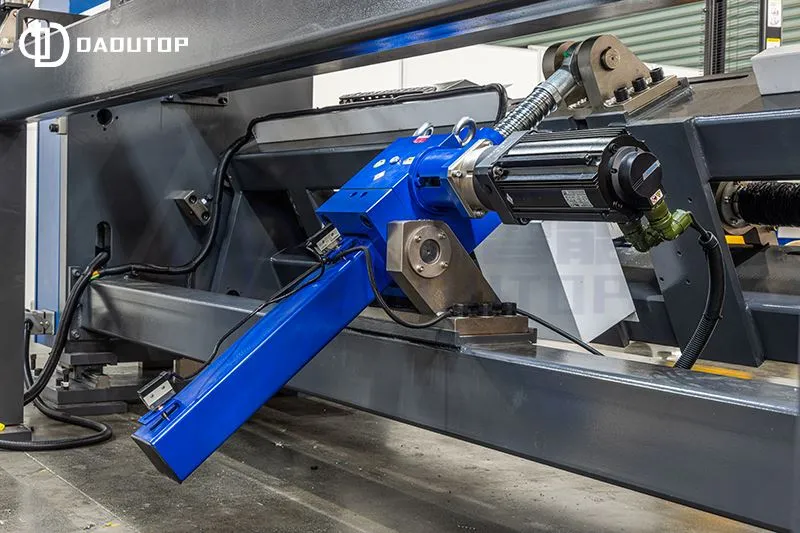
For example, if a customer regularly orders a specific type of packaging film with a particular width and winding length, the saved recipe can be quickly retrieved and used. The film slitter will then operate with the exact same parameters that were proven successful in previous runs, eliminating the need to re - adjust the settings every time. This is especially beneficial for high - volume production where time is of the essence.
3. Remote Monitoring and Diagnostic
With the advent of the Internet of Things (IoT), modern film slitters are equipped with software that enables remote monitoring and diagnostic capabilities. The machine can be connected to a network, and operators or maintenance personnel can access the machine's status and performance data from anywhere in the world.
The software continuously collects data on various aspects of the machine, such as motor speeds, temperature, and vibration levels. This data is then transmitted to a central server, where it can be analyzed in real - time. If any abnormal conditions are detected, such as a sudden increase in motor temperature or an unexpected vibration, the software can send alerts to the relevant personnel via email or SMS. This allows for proactive maintenance, reducing downtime and the likelihood of costly breakdowns.
For example, a maintenance technician can remotely access the film slitter's software to check the condition of the cutting blades. If the software indicates that the blades are approaching the end of their useful life, the technician can schedule a blade replacement in advance, ensuring that production is not interrupted.
4. Quality Control and Reporting
Modern film slitter software is also equipped with quality control features. It can monitor the slitting process for defects such as uneven cutting, wrinkling, or edge damage. The software uses image - processing algorithms and sensors to detect these defects in real - time. If a defect is detected, the machine can be programmed to stop automatically, preventing further production of defective products.
In addition to real - time quality control, the software can generate detailed reports on the production process. These reports can include information such as the number of rolls produced, the slitting accuracy, and the defect rate. Manufacturers can use these reports to analyze production performance, identify areas for improvement, and demonstrate compliance with quality standards to customers.
For instance, a food packaging manufacturer can use the quality control reports from the film slitter to ensure that the packaging films used for their products meet the necessary hygiene and safety standards.
5. Integration with Other Equipment
Modern film slitters' software is designed to be easily integrated with other equipment in the production line. This includes unwinders, winders, printing machines, and inspection systems. The software can communicate with these other devices, allowing for seamless coordination of the entire production process.
For example, when a film slitter is integrated with a printing machine, the software can ensure that the slitting process is synchronized with the printing. The film can be slit exactly at the right position after the printing is completed, ensuring that the printed patterns are properly aligned on each roll. This integration improves overall production efficiency and product quality.
Industry - Specific Applications
Different industries have unique requirements for film slitting. In the packaging industry, Packaging Material Cutting Machine is often used to slit films used for food packaging, industrial packaging, and consumer goods packaging. The software in these slitters is optimized for cutting a variety of packaging films, such as polyethylene (PE), polypropylene (PP), and polyester (PET). It can handle different film thicknesses and ensure that the cut edges are clean and free of defects.
In the label industry, Label Slitter Rewinder is a popular choice. The software in label slitters is designed to accurately cut and rewind labels with high precision. It can handle narrow - width labels and ensure that the rewound labels have a consistent tension and are free of wrinkles.
In the general film processing industry, Slitting Rewinding operations are essential for various applications. The software in these machines offers a wide range of slitting and rewinding options, allowing manufacturers to customize the production process according to their specific needs.
Conclusion
The software features of modern film slitters have revolutionized the film processing industry. From precision control and automation to remote monitoring and quality control, these features have significantly improved production efficiency, product quality, and overall operational flexibility. As a film slitter supplier, we are committed to continuously developing and improving our software to meet the ever - evolving needs of our customers.
If you are in the market for a high - quality film slitter, we invite you to contact us for a detailed discussion. Our team of experts can help you select the right machine with the most suitable software features for your specific application. Whether you are a small - scale manufacturer or a large - scale industrial enterprise, we have the solutions to meet your film slitting requirements.
References
- "Advanced Control Systems for Film Processing Equipment," Journal of Manufacturing Technology
- "The Impact of Software - Driven Automation in the Film Slitting Industry," International Journal of Industrial Production